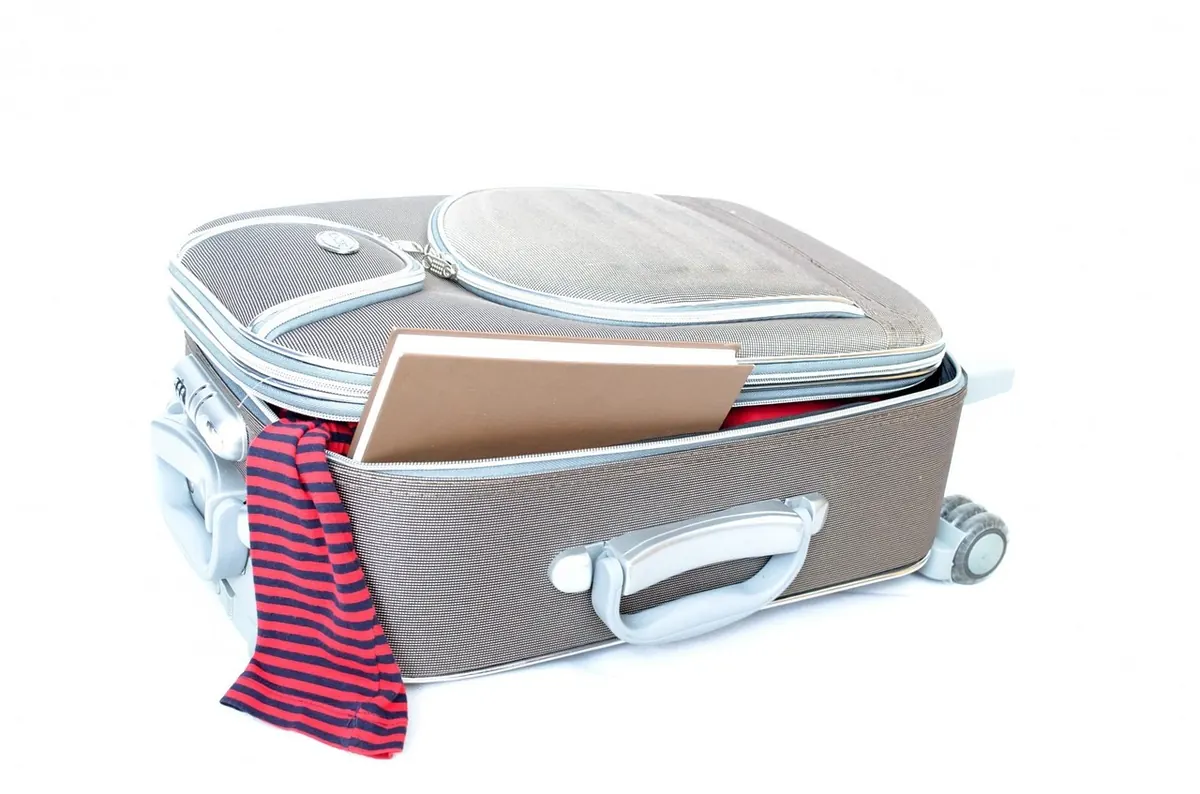
Packing for one climate is easy. Packing for four is where most bags fall apart — literally, at the zip, somewhere around the third country. If your year runs from a sticky afternoon in Bangkok to a bothy in the Scottish Highlands, with a wedding and a week of rain in between, you don't need four wardrobes. You need about thirty items that overlap.
This is a capsule, not a checklist. Everything here has survived real trips: washed in sinks, sat on night buses, worn to dinner.
The rule that shapes every decision: overlap
Before anything goes in the bag, ask one question: how many scenarios does this work in? A merino T-shirt is a base layer in the heat, a mid-layer under a fleece in the cold, and a clean-ish top for a casual dinner. That's three jobs. A pair of bright board shorts does one.
Aim for a total weight of 7–10 kg in a carry-on-sized rucksack. That's not a rule handed down from anywhere; it's just the point at which you can still walk up a hill with it and carry it onto a plane without arguing with anyone at the gate.
Hot weather: airflow over armour
- Two loose long-sleeve shirts in linen or a light cotton blend — sleeves down for sun, mosques and temples
- Three light T-shirts in merino or a merino blend
- One pair of thin, quick-drying trousers
- Shorts you'd also swim in
- Wide-brimmed hat and sunglasses
- Sandals plus one pair of closed shoes
Light colours and loose cuts matter more than fabric technology. Natural fibres breathe beautifully and stay damp for hours; synthetics dry fast and hold onto smells. A merino blend sits in the useful middle — it dries overnight and can go three wears before anyone notices.
Plan on washing. A sink wash every second or third evening with a bar of laundry soap keeps a three-week trip running on five tops. Wring things in a towel and hang them somewhere with moving air, not in a bathroom with the window shut.
Cold weather: layers, not armour
Three layers do the work of a suitcase. A merino base layer against the skin, a fleece or light down jacket for insulation, and a windproof shell on the outside. The warmth comes from trapped air, so the fit should be close but not tight, and you should be able to open or remove a layer before you start sweating.
A compact down jacket is the single best space-to-warmth item you can carry, but don't hike in it. Wear it at rest stops, then take it off. Add a beanie, thin gloves, a neck gaiter and two pairs of decent wool socks. If you're going properly cold, one set of thermal leggings doubles as pyjamas in a hostel dorm.
One pair of boots
Buy them six weeks before you leave and walk in them. A waterproof membrane is worth having if you'll be in wet grass or snow, but it makes boots slower to dry if water gets in over the top. Take the insoles out at night. Never travel with boots you haven't broken in.
Wet weather: assume you'll be damp
Rain is manageable. Humidity is the real enemy, because nothing dries and yesterday's washing is still wet today.
- A rain shell with taped seams and pit zips — pit zips matter more than you'd think when you're walking uphill in the tropics
- A light poncho for warm rain, which lets air move around you
- Two dry bags: one for electronics, one for anything that must stay dry
- A microfibre towel
- Sandals that don't mind puddles
Leave cotton jeans at home if you're heading somewhere humid. They take a full day to dry, weigh a lot wet, and chafe. Thin synthetic or wool-blend trousers are dull to look at and far better to live in.
Formal occasions: one outfit that disappears into a crowd
Weddings, business meetings and smart restaurants all want the same thing: something dark, plain and uncrumpled. For most people that means a navy or charcoal blazer in a wool blend, one pair of tailored trousers, one simple dress or a crisp shirt, and a flat leather shoe that can also pass in a city.
Wool resists creases; cheap polyester shines. Roll the blazer loosely rather than folding it, and put it on top of the pack so it comes out first. A plain scarf changes how formal an outfit reads and covers shoulders and knees at religious sites, which is a dress code worth checking before you arrive.
If the trip has no formal event on the calendar, leave the blazer. You will not invent one.
The small kit that earns its place
- Universal adapter with USB ports, plus a power bank
- A small padlock for hostel lockers
- Copies of your passport and insurance details, plus photos on your phone
- Rehydration sachets, plasters, blister patches and simple painkillers
- A needle and thread, and a metre of duct tape wrapped around a lighter
- Earplugs and an eye mask
On medication, be sensible rather than clever: take enough for the whole trip in original packaging, carry a copy of any prescription, and check the rules for your destination with a pharmacist or travel clinic before you fly. A water filter helps with cloudy tap water but doesn't deal with everything — follow local advice on what's safe to drink.
What to leave behind
- More than two pairs of shoes
- A third "just in case" outfit
- Heavy denim for hot or humid places
- Full-size toiletries and a hair dryer
- Gadgets with one specific use
- More than one book
Nobody is keeping a log of your outfits. You'll wear roughly half of what you pack and resent the rest every time you lift the bag.
Test pack, weigh it, then edit
Lay everything out on the floor three days before you leave. Pack it, weigh it, then carry it around the block for twenty minutes. Anything that felt awkward, dug in or made you sigh goes back on the pile. Take out one item from each category — you almost never miss it.
Keep a note on your phone of what you actually wore. After three trips, that list becomes a packing list you trust, and the four-season bag stops being a puzzle.